An introduction to the mystical soundscape of Islamic spirituality
Core Definitions & Overviews
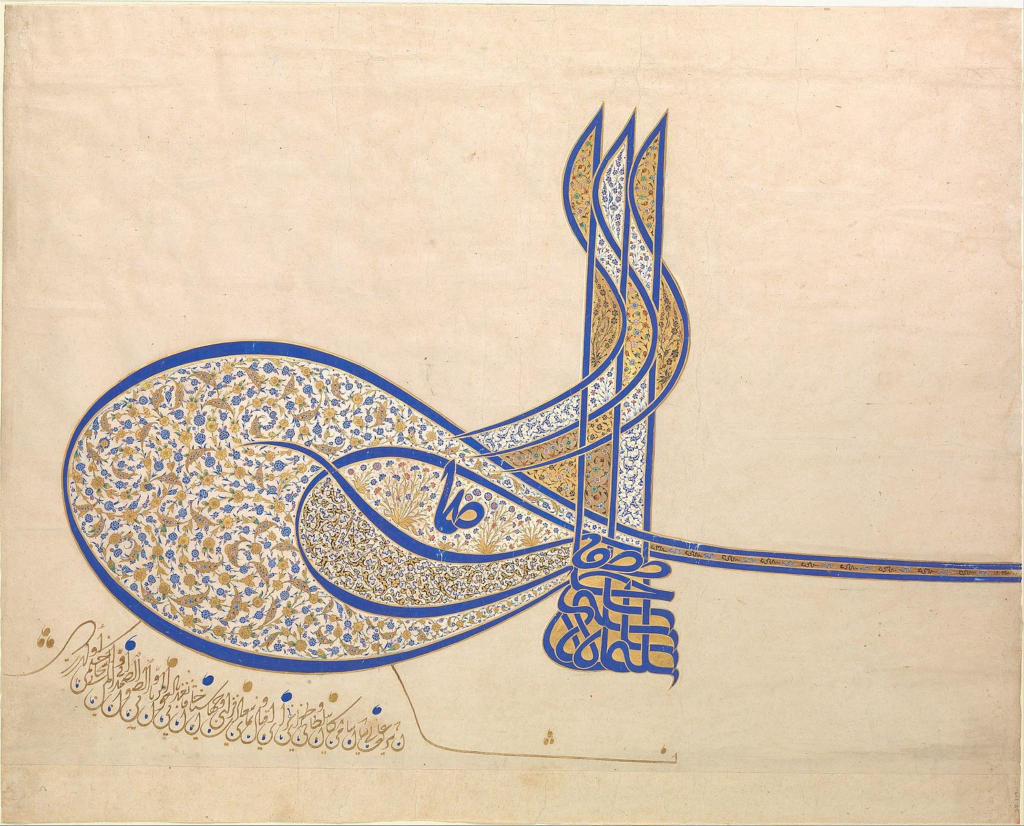
Sufi music refers to the devotional musical traditions associated with Sufism, the mystical branch of Islam that emphasizes divine love, spiritual discipline, and the inward search for God. While musical practices differ across regions and orders, Sufi music generally uses poetry, rhythm, chanting, instruments, and ritual listening (samāʿ) to cultivate spiritual presence and guide seekers toward inner transformation.
Sufi music is not a single genre—rather, it includes diverse performance traditions shaped by local culture, language, and spiritual lineage. Sufi music also appears widely in film, radio, journalism, festivals, and global pop culture—topics explored further in the Media & Popular Culture section.
Key Reference Works
- Grove Music Online: “Islamic Religious Music” — global overview of sacred and Sufi devotional practices
- Grove Music Online: “India, Subcontinent of” — South Asian musical traditions including qawwali
- Regula Qureshi — Sufi Music of India and Pakistan (definitive study of qawwali)
- Leonard Lewisohn — “The Sacred Music of Islam: Samāʿ in the Persian Sufi Tradition”
- Encyclopaedia Iranica — entries on samāʿ, ḥāl, and Persian poetic-musical aesthetics
History & Origins of Sufi Musical Traditions
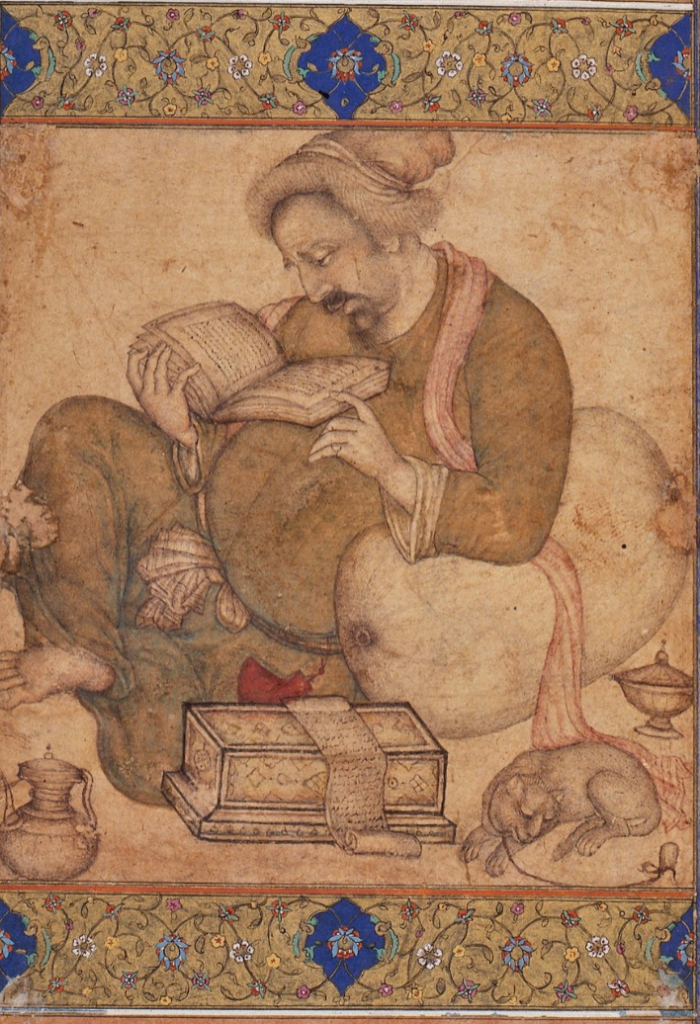
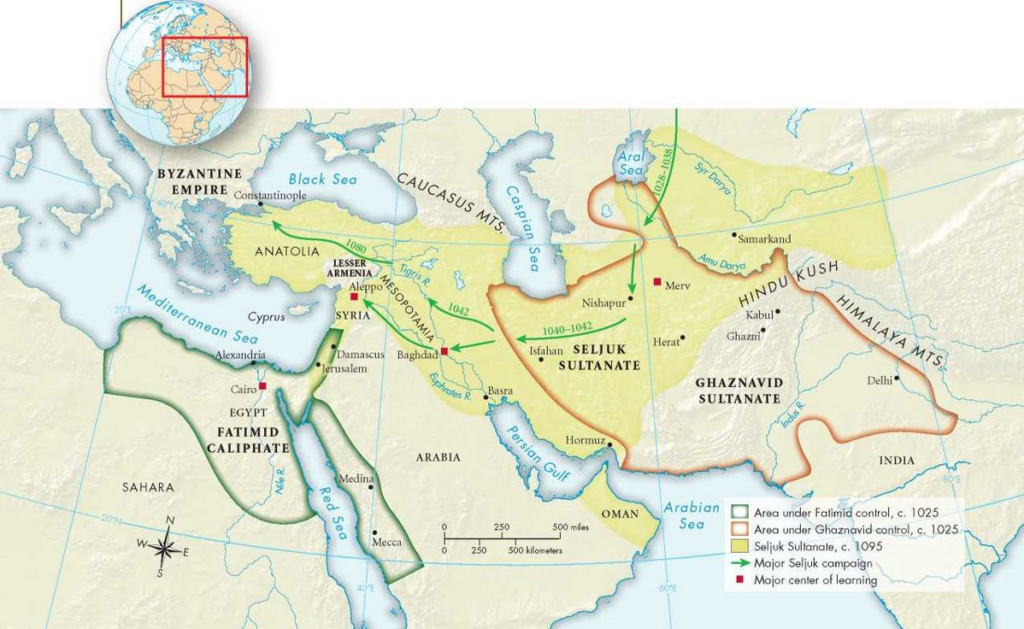
The musical dimensions of Sufism developed between the 9th and 13th centuries, as early mystics used poetry and chanting to evoke longing for God and cultivate spiritual states. As Sufi orders (ṭuruq) emerged—such as the Mevlevi, Chishtī, Qādirī, and Naqshbandī—distinct musical forms evolved in different regions.
- In Persia, samāʿ ceremonies combined poetry (Hafez, Rumi), melodic improvisation, and contemplative listening.
- In South Asia, the Chishtī order developed qawwali, blending Persian metaphysical poetry with Indian musical aesthetics.
- In Anatolia, followers of Rumi created the Mevlevi tradition, where music accompanies the whirling ceremony (sema).
- In North Africa, Sufi lodges cultivated rhythmic practices such as the ḥadra, emphasizing breath, repetition, and group chanting.
These traditions were shaped by local histories, court patronage, and centuries of poetic and musical innovation.
The Role of Music in Sufism
For many Sufi communities, music is a spiritual technology—a way to soften the heart, awaken remembrance of God, and evoke mystical states such as wajd (ecstasy) or ḥāl (divine state).
Sufi theorists describe sound as a mirror reflecting the divine presence within the listener.
Scholars such as Deborah Kapchan and Jean During explain that listening (samāʿ) is itself a spiritual discipline: breath, attention, and emotion align through sound, allowing the listener to reach deeper awareness.
Music in Sufi practice is never merely entertainment—it is part of a disciplined path toward love, humility, and inner transformation.
Rituals & Practices: Samāʿ, Sema, and Dhikr
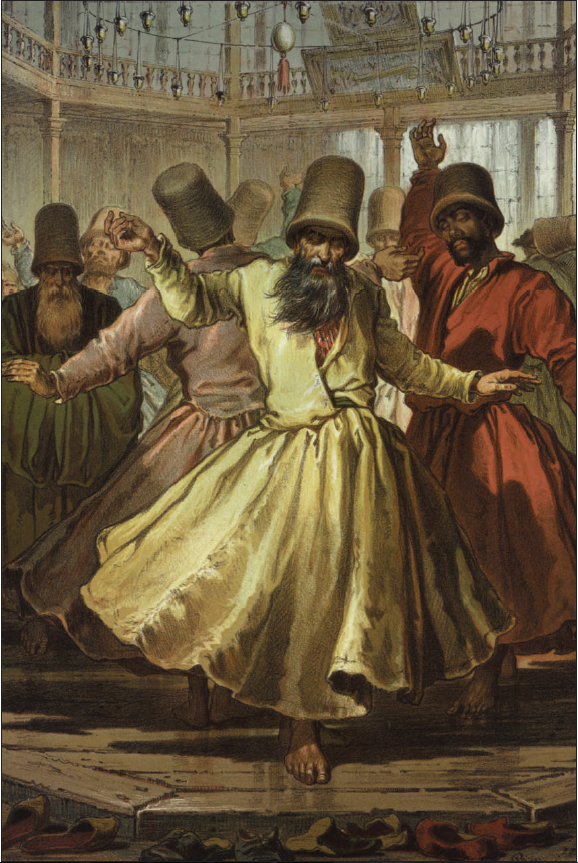
Samāʿ / Sema — Ritual Listening and Whirling
Samāʿ refers to sacred listening, while sema (in the Turkish context) describes the Mevlevi whirling ceremony.
Sources such as Selim Gök, Yalçın Çetinkaya, and Merve Nur Kaptan show that sema blends music, poetry, movement, and contemplation to guide the seeker toward union with the Divine.
Poetic Recitation
Poetry is central to Sufi musical practice. Works of Rumi, Hafez, Yunus Emre, Bulleh Shah, and Amir Khusrau provide the textual foundation for most Sufi songs.
Dhikr (Remembrance)
In many orders, rhythmic chanting of divine names—sometimes accompanied by frame drums—creates a collective meditative state.
Dhikr may be vocal, instrumental, silent, or movement-based.
Poetry & Devotional Texts
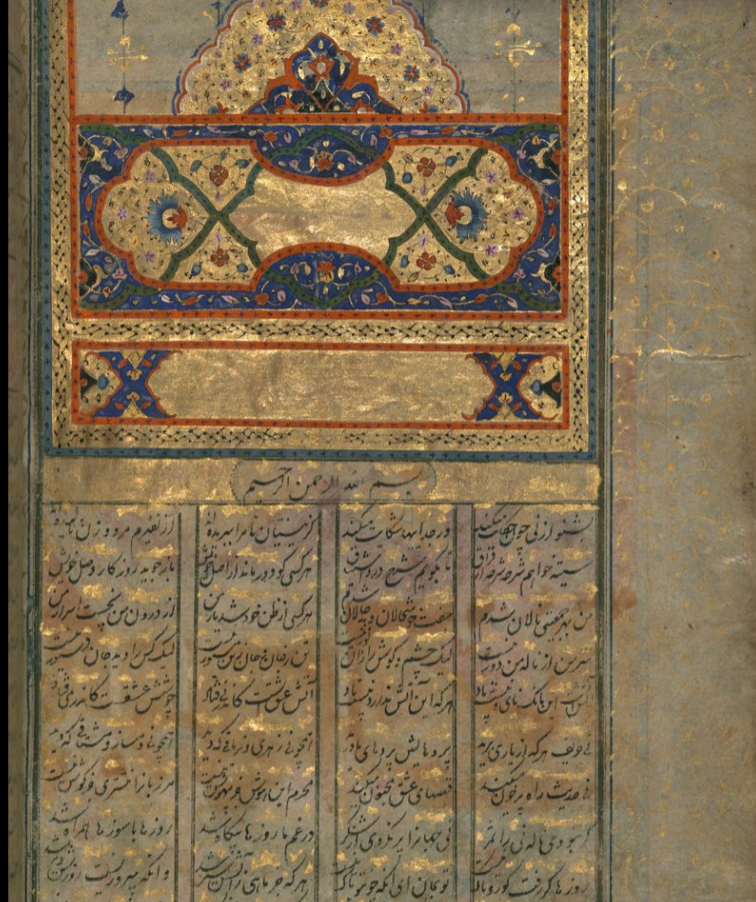
Sufi music is inseparable from poetry.
Across languages—Persian, Arabic, Urdu, Punjabi, Turkish—Sufi poets use imagery of love, longing, intoxication, separation, and union to describe the soul’s journey toward God.
Kashshaf Ghani’s research on South Asian samāʿ shows how poetic symbolism becomes intensified through melody, guiding listeners toward emotional and spiritual insight.
Key poetic figures include:
- Jalāl al-Dīn Rūmī (Persia/Turkey)
- Hafez of Shiraz (Persia)
- Yunus Emre (Anatolia)
- Bulleh Shah (Punjab)
- Amir Khusrau (Delhi Sultanate)
These poets remain foundational to global Sufi performance traditions today.
Regional Musical Traditions
South Asia — Qawwali
Associated with the Chishtī order, qawwali features harmonium, tabla, handclaps, and ensemble singing.
Major references: Qureshi, Ghani, Rozehnal.
Turkey — Mevlevi Music & Whirling
Mevlevi ayin (ceremonial music) follows Ottoman makam theory and features the ney, kudüm, and chanted poetry.
Sources: Feldman, Çetinkaya, Gök, Senay.
Persian Sufi Traditions
Samāʿ in Iran emphasizes poetry, melodic improvisation, and contemplative listening.
Source: Lewisohn, Encyclopaedia Iranica.
North Africa
Moroccan and Tunisian Sufi orders incorporate trance-based rhythm and group chanting.
Source: Bartel, “The Power of Musical Aesthetics.”
Contemporary Diaspora
Sufi music flourishes in global settings—including Canada, Europe, and the US.
Source: Xavier, The Dervishes of the North.
Instruments in Sufi Music
https://images.hindustantimes.com/rf/image_size_630x354/HT/p2/2017/04/05/Pictures/india-kashmir-pakistan-music-religion_62b29246-19ec-11e7-8dd7-d947b0232760.jpg
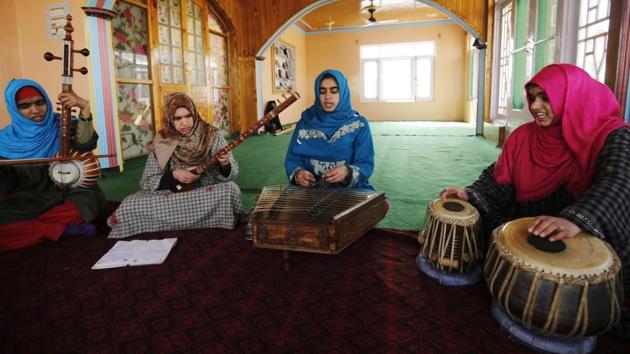
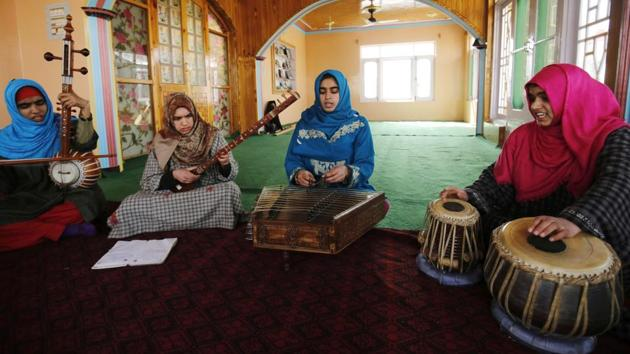
Sufi musical traditions use a wide range of instruments depending on region and order:
- Ney (reed flute) — central to Mevlevi sema; symbol of the soul’s longing.
Sources: Senay (2014, 2015), Sezer (2012) - Daf / Daff — large frame drum used in Iran, Kurdish regions, and North Africa.
- Kudüm — kettle drums in Mevlevi ceremonies.
- Harmonium — key instrument in qawwali ensembles.
- Tanbur & Oud — long-necked lutes used in Persian and Turkish Sufi traditions.
Each instrument carries symbolic and historical meaning connected to its ritual context.
Want to Go Deeper?
Explore related sections:
- Listen & Watch — curated performances and recordings
- Media & Popular Culture — journalism, magazines, festivals, and global popular representations of Sufi sound
- Articles & Books — full annotated scholarly sources
- Women in Sufi Music — gender, history, and contemporary artists
- Search Strategies — how to find Sufi music resources through Langara Library