This page brings together important articles about Sufi music, grouped by theme so they’re easy to explore. Each entry includes a short summary explaining what it’s about and how it helps you understand Sufi musical traditions.
A. Core Overviews & Definitions
Lewisohn, Leonard. “The Sacred Music of Islam: Samāʿ in the Persian Sufi Tradition.” British Journal of Ethnomusicology, vol. 6, no. 1, 1997, pp. 1–33. Taylor & Francis Online, https://doi.org/10.1080/09681229708567259.
Lewisohn offers a comprehensive account of samāʿ, the central practice of sacred listening in Persian Sufism. Drawing on classical treatises, poetry, and historical sources, he situates samāʿ within broader debates about music in Islamic thought. The article explains how sound and poetry work together to evoke mystical states such as wajd and ḥāl. Lewisohn also outlines Sufi arguments in support of musical ritual, emphasizing samāʿ as disciplined spiritual practice. This article is essential for defining Sufi music philosophically and historically.
Neubauer, Eckhard, and Veronica Doubleday. “Islamic Religious Music.” Grove Music Online, Oxford University Press, https://doi.org/10.1093/gmo/9781561592630.article.52787.
This peer-reviewed reference entry provides a comprehensive overview of devotional and sacred music in Islamic contexts, including a focused examination of Sufi ritual practices. It explains the historical development of genres such as samāʿ and dhikr, outlines their spiritual aims, and describes the vocal, percussion, and ensemble structures used to create ecstatic experience. Regional case studies highlight traditions in the Middle East and South Asia, including the role of Chishtī Sufism in shaping qawwali performance. The article offers reliable terminology and contextual clarity, making it a strong foundation for understanding how Sufi-associated music functions within wider Islamic religious life.
Qureshi, Regula, et al. “India, Subcontinent of.” Grove Music Online, Oxford University Press, 2020, https://doi.org/10.1093/gmo/9781561592630.article.43272
This scholarly reference entry examines musical traditions across South Asia with special attention to Sufi devotional repertoires, particularly qawwali. It explains the genre’s historical roots in the Chishtī order, its relationship to Hindustani classical music, and its performance in shrine-based ritual contexts. Key poets, regional languages, ensemble structures, and contemporary practice are discussed, providing both cultural and technical insight. As an in-depth treatment of qawwali within a major Islamic musical region, this source strengthens understanding of how Sufi practices develop and adapt in specific communities, making it a valuable teaching resource alongside broader overviews of Islamic sacred music.
B. Rituals & Ecstasy (Samāʿ, Sema, Dhikr)

Gök, Selim. “Bir Arayış ve Vuslat Sembolü Olarak Şeyh Gâlib Divanı’nda Semâ Meşki.” Dil ve Edebiyat Araştırmaları, no. 32, 2025, pp. 1–19. DergiPark Akademik, https://doi.org/10.30767/diledeara.1580527
Gök analyzes how samāʿ appears symbolically in the poetry of the Mevlevi poet Şeyh Gâlib. Through close literary analysis, he shows how musical movement and circular imagery express spiritual searching, longing, and union with the Divine. The article situates these motifs within Mevlevi ritual practice, linking poetic symbolism to real-world whirling ceremonies. Gök’s study demonstrates the interdependence of ritual and literature in Ottoman Sufi culture. It is valuable for understanding samāʿ as both embodied ritual and poetic metaphor.
Kaptan, Merve Nur. “Ecstasy in Music: The Case of Sema and Semah.” Turkish Academic Research Review, vol. 9, no. 2, 2024, pp. 94–109. DergiPark Akademik, https://doi.org/10.30622/tarr.1444929
Kaptan conducts a comparative analysis of the Mevlevi Sema and Alevi Semah, exploring how music and movement generate states of ecstasy. Using ethnomusicological methods, she examines rhythmic structures, embodied motion, and communal dynamics. The article highlights both theological differences and shared experiential qualities, such as trance-like concentration and emotional intensity. Kaptan’s work offers insight into how ritual performance facilitates altered consciousness. This makes the article essential for understanding embodied musical spirituality in Anatolia.
Ghani, Kashshaf. “Sound of Samāʿ: The Use of Poetical Imagery in South Asian Sufi Music.” Comparative Islamic Studies, vol. 5, no. 2, 2009, pp. 273–296. Academic Search Complete, https://doi.org/10.1558/cis.v5i2.273.
Ghani investigates how Persian, Arabic, and Urdu poetic imagery is employed in South Asian samāʿ and qawwali. He analyzes themes such as divine love, surrender, longing, and mystical intoxication, showing how they intensify when performed musically. The article blends literary critique with attention to ritual context, demonstrating how listeners interpret metaphors through spiritual training. Ghani’s work highlights the deep integration of poetry and music in creating states of devotion. This makes it essential for understanding how textual symbolism becomes lived musical experience.
Çetinkaya, Yalçın. “Hz. Mevlânâ, Aşk ve Mûsikî Hakkında.” Akademik Araştırmalar Dergisi, vol. 13, no. 51, 2012, pp. 137–155. Academic Search Complete.
Çetinkaya explores Mevlânâ Rumi’s teachings on divine love, music, and samāʿ, drawing extensively on the Masnavi. He shows that music in Rumi’s thought is not ornamental but spiritually transformative, awakening longing and inner purification. The article also situates Rumi’s ideas within wider Sufi theories of audition articulated by figures such as al-Ghazālī and Ibn ʿArabī. Çetinkaya clarifies theological justifications for musical ritual in the Mevlevi tradition. This makes the article highly useful for understanding the metaphysical meaning of Sufi music.
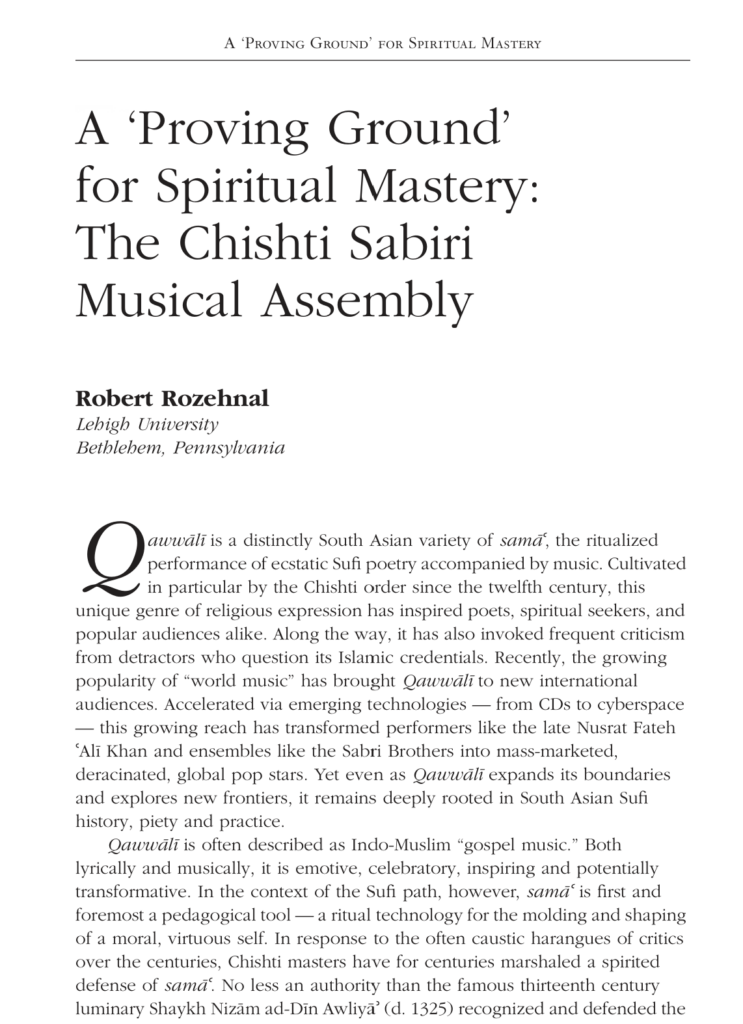
Rozehnal, Robert. “A ‘Proving Ground’ for Spiritual Mastery: The Chishti Sabiri Musical Assembly.” The Muslim World, vol. 97, no. 4, 2007, pp. 657–677. Academic Search Complete, https://doi.org/10.1111/j.14781913.2007.00206.x.
Rozehnal provides an ethnographic analysis of musical assemblies within the Chishti Sabiri order. He shows how these gatherings function as disciplined spaces where practitioners cultivate emotional regulation, concentration, and humility through samāʿ. The article details the structure of gatherings, the repertoire of qawwali, and the pedagogical role of the shaykh. Rozehnal argues that musical ritual serves as a test of spiritual maturity. This makes the study essential for understanding Sufi music as a form of ethical and devotional training.
C. Sound, Emotion, and Philosophy of Listening
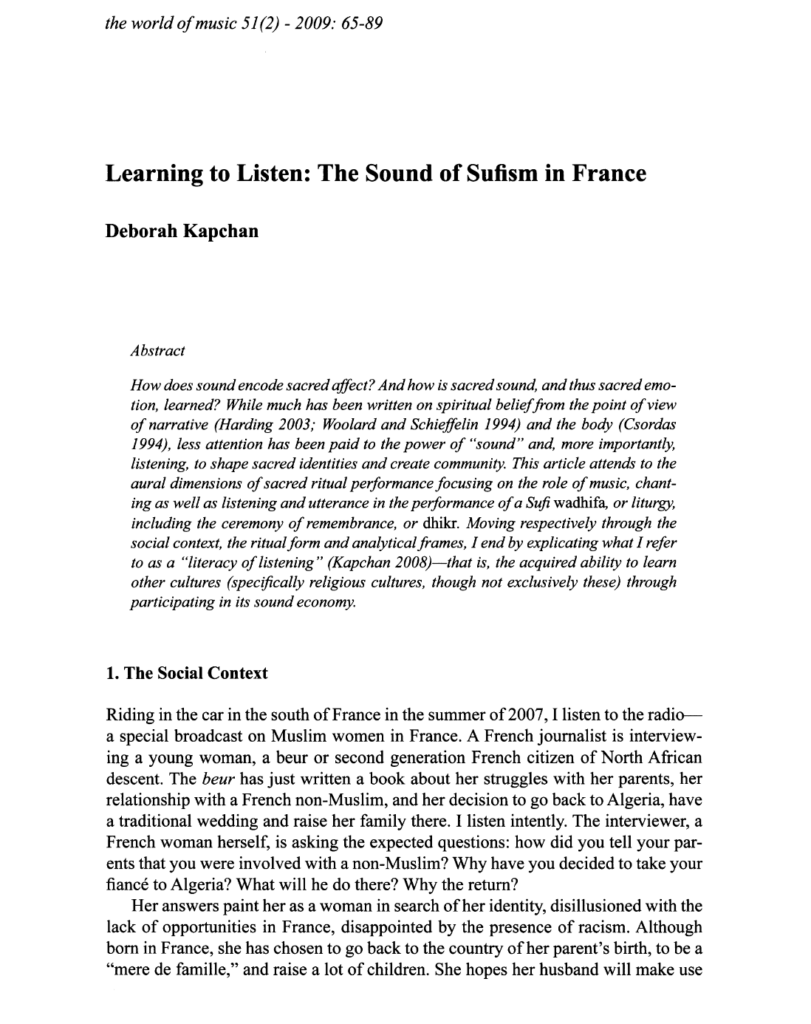
Kapchan, Deborah. “Learning to Listen: The Sound of Sufism in France.” The World of Music, vol. 51, no. 2, 2009, pp. 65–89. JSTOR, https://www.jstor.org/stable/41699883.
Kapchan examines how Sufi communities in France cultivate specialized forms of listening as part of their spiritual discipline. Drawing on fieldwork, she analyzes chanting, drumming, and collective recitation, showing how these practices shape emotional transformation and bodily presence. The article also explores how newcomers learn to interpret sound as a marker of divine intimacy. Kapchan situates listening within the broader phenomenology of religious experience. This makes the article valuable for understanding Sufi sound practices in European diaspora contexts.


During, Jean. “Hearing and Understanding in the Islamic Gnosis.” The World of Music, vol. 52, nos. 1–3, 2010, pp. 552–562. JSTOR, https://www.jstor.org/stable/41700047.
During investigates the metaphysical importance of hearing in Islamic mystical thought. He explains how classical Sufi authors describe the “ear of the heart” as an organ of inner perception capable of receiving intuitive knowledge. The article links musical listening to broader epistemological questions in Islamic gnosis. During’s analysis provides a conceptual foundation for understanding the spiritual logic behind Sufi music. This makes it an essential theoretical source for the philosophy of sacred sound.
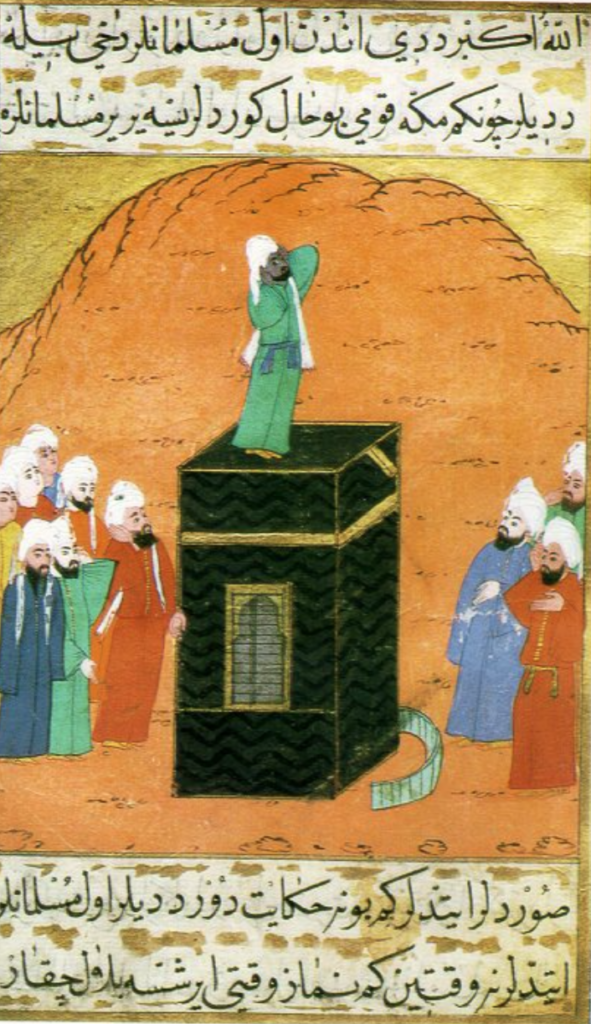
Bartel, Bruno Ferraz. “The Power of Musical Aesthetics: Ritual and Emotion in Contemporary Moroccan Sufism.” Anthropology of the Middle East, vol. 19, no. 1, 2024, pp. 8–24. Academic Search Complete.
Bartel’s ethnographic study explores how musical aesthetics shape emotional experience within the Hamdouchiya order in Morocco. He analyzes rhythmic escalation, melodic repetition, and collective movement during ḥadra rituals, showing how these elements generate states of ḥāl (spiritual presence). The article also considers tensions between devotional performance and public festival presentations. Bartel situates Sufi musical practice within contemporary debates about authenticity and spirituality. This makes the article especially useful for understanding sound, trance, and emotion in North African Sufism.
D. Regional & Contemporary Traditions
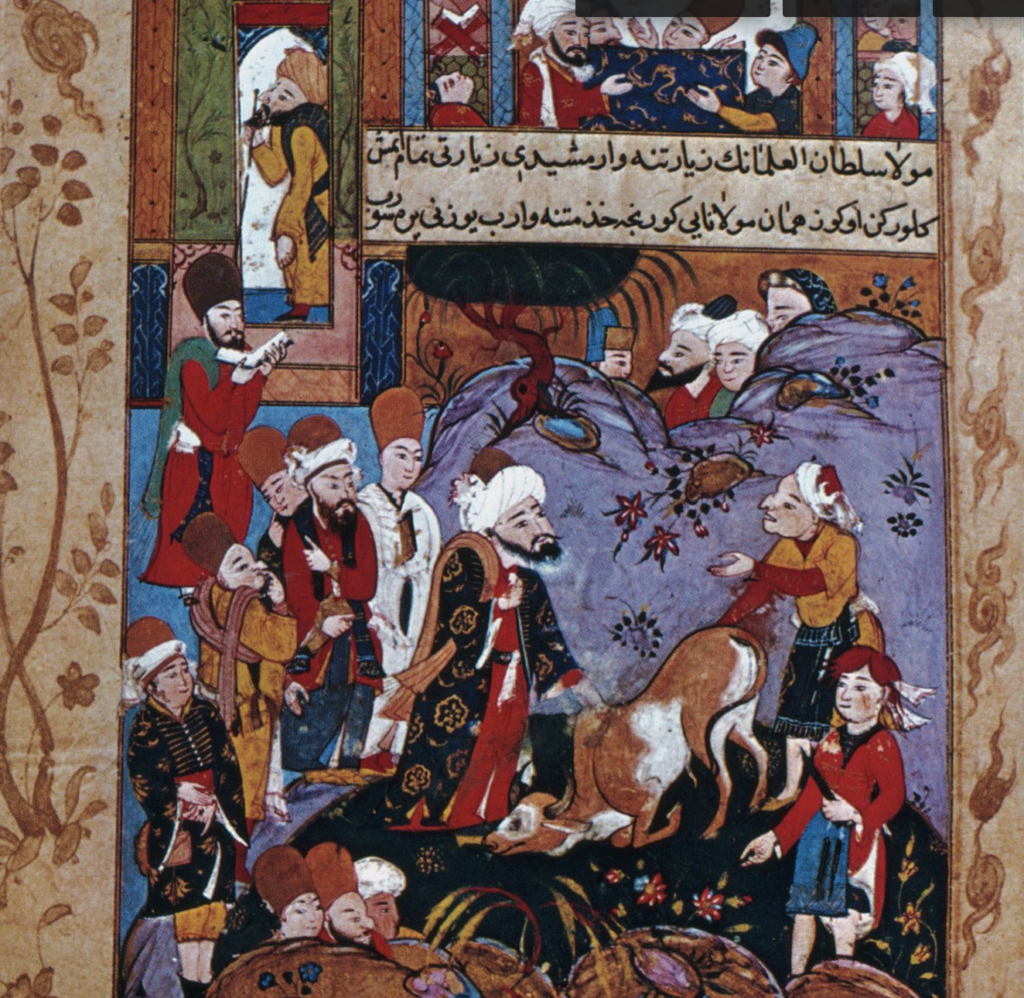
Manuel, Peter. “North Indian Sufi Popular Music in the Age of Hindu and Muslim Fundamentalism.” Ethnomusicology, vol. 52, no. 3, 2008, pp. 378–400. JSTOR.
This article examines how political and communal tensions in modern India influence the performance and reception of Sufi popular music. It explores how musicians navigate expectations from Hindu and Muslim communities, as well as pressures from fundamentalist groups. The study situates Sufi music within broader debates about nationalism, identity, and public religiosity. It provides a critical perspective on how qawwali and related genres function outside strictly ritual settings. This makes it useful for understanding contemporary transformations in Sufi musical culture.
Jankowsky, Richard C. “Absence and ‘Presence’: el-Hadhra and the Cultural Politics of Staging Sufi Music in Tunisia.” The Journal of North African Studies, vol. 22, no. 5, 2017, pp. 903–921. Taylor and Francis Online, https://doi.org/10.1080/13629387.2017.1293030.
The article analyzes el-Hadhra, a Tunisian Sufi ritual, and its adaptation into staged performances for cultural festivals. It investigates how choreography, visual spectacle, and heritage politics shape audience perceptions. The author also explores debates about authenticity and religious legitimacy surrounding staged Sufi performances. This study is important for understanding how Sufi music moves between sacred ritual and public cultural production. It offers insight into the cultural politics of North African Sufi traditions.
E. Instruments & Performance
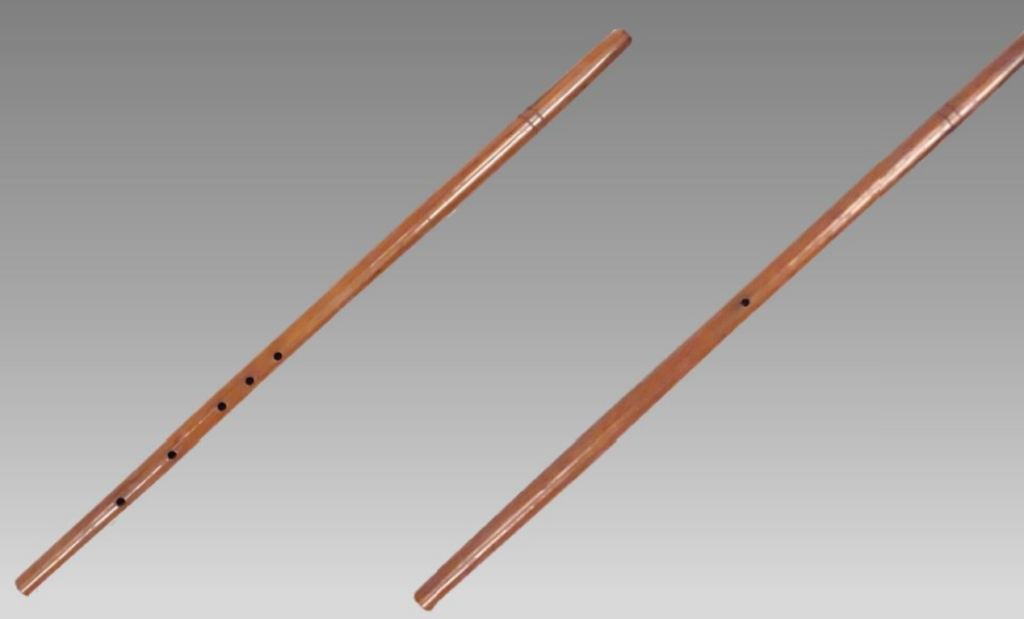
Senay, Banu. “The Fall and Rise of the Ney: From the Sufi Lodge to the World Stage.” Ethnomusicology Forum, vol. 23, no. 3, 2014, pp. 405–424. Taylor and Francis Online, https://doi.org/10.1080/17411912.2014.924383.
Senay traces the ney’s transformation from a ritual instrument central to Mevlevi lodges into a global emblem of Sufi spirituality. She discusses the closure of Sufi institutions in the early Turkish Republic and the subsequent revival of Sufism in popular culture. The article examines how the ney is recontextualized in world-music markets, often detached from its original ritual setting. Senay’s work highlights how sacred instruments gain new symbolic meanings in modern contexts. This makes it a key source for understanding the cultural evolution of Sufi performance.
Senay, Banu. “Artists, Antagonisms and the Ney in the Popularization of ‘Sufi Music’ in Turkey.” European Journal of Cultural Studies, vol. 18, no. 1, 2015, pp. 52–69. Sage Journals, https://doi.org/10.1177/1367549414557814.
Senay investigates how the ney is used to brand “Sufi music” in contemporary Turkey. She analyzes conflicts among artists, religious authorities, and media industries over claims to authenticity and spiritual authority. The article highlights the tension between sacred tradition and commercial packaging. It offers insight into how Sufi symbolism is deployed in cultural marketing. This makes the source particularly relevant for examining sacred music in modern cultural industries.
Sezer, Fahri. “The Psychological Impact of Ney Music.” The Arts in Psychotherapy, vol. 39, no. 5, 2012, pp. 423–427. ScienceDirect.
Sezer evaluates the emotional and psychological effects of ney music using a clinical research framework. The study reports measurable reductions in anger and psychological distress among participants exposed to ney performances. Although framed in therapeutic terms, the article reflects long-standing Mevlevi associations between music, healing, and emotional regulation. It provides empirical evidence relevant to modern discussions of Sufi music and well-being. This source adds a useful dimension to the study of Sufi instruments beyond ritual and cultural contexts.