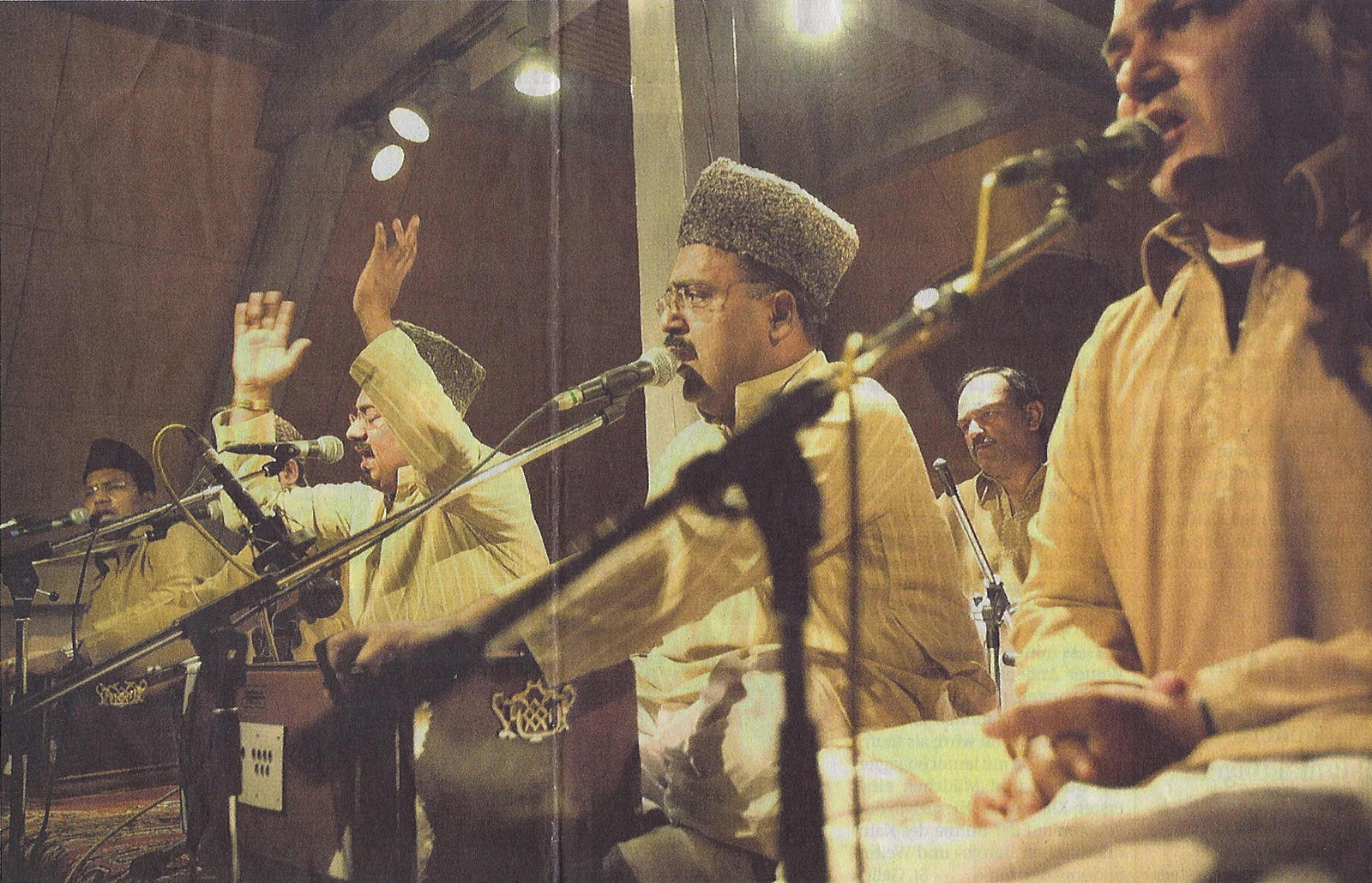
This page outlines effective strategies for finding scholarly, multimedia, and high-quality open-access resources related to Sufi music. It includes recommended databases, search strings, subject headings, and keyword combinations that reliably produce strong academic results.
1. Databases & Tools Used
Langara Discovery Layer
Primary search platform used to locate peer-reviewed articles, ebooks, and scholarly citations. Ideal for advanced Boolean searches and filtering out unrelated psychology/therapy results.
JSTOR
Used for foundational ethnomusicology, anthropology, and religious studies material, including articles by Qureshi, Kapchan, and During.
Academic Search Complete
Used to find contemporary and regional scholarship on Sufi music, including Moroccan, Turkish, and South Asian studies.
Taylor & Francis Online
Used to access articles on North African Sufism, ritual staging, and cultural politics (e.g., Jankowsky).
SAGE Journals
Used to access cultural studies material, including articles on ney symbolism and the commercialization of “Sufi music” (e.g., Senay).
ScienceDirect (Elsevier)
Used for psychology-focused scholarship, such as empirical studies on the emotional impact of ney music (e.g., Sezer).
Grove Music Online (Oxford Music Online)
Used for authoritative encyclopedia entries on Sufi music, qawwali, Mevlevi ritual, performers, and instruments.
Vancouver Public Library (Bibliocommons)
Used to search for CDs, recordings, books, and general background material on Sufi music.
UBC Open Collections
Used to locate theses, dissertations, and digitized manuscripts related to Sufi ritual, sound, and devotional music.
Publisher & Journal Sites (Open Access)
Includes MDPI (Religions), Anthropology of the Middle East, Comparative Islamic Studies, and other open-access journals used in this project.
Wikimedia Commons
Used for CC-licensed images of Sufi performers, instruments, rituals, and cultural events.
New: Audio & Performance Platforms
YouTube
Used to locate:
- Live qawwali performances
- Mevlevi sema ceremonies
- Dhikr rituals
- Documentary excerpts with contextual commentary
- Field recordings
YouTube Music
Used for:
- Studio recordings of devotional music
- Artist playlists (Abida Parveen, NFAK, Sami Yusuf, etc.)
- Genre-tagged Sufi compilations
Spotify
Used for:
- Curated Sufi playlists
- Regional devotional albums (Turkey, Iran, Pakistan, Morocco)
- Comparing performance styles, tempo, instrumentation
These platforms supplement scholarly sources by providing access to the actual sound and ritual experience of Sufi music traditions.
Press & Magazine Databases
Business Source Complete, MAS Ultra, and other news databases
Used to locate magazine features, interviews, festival announcements, and profiles of Sufi performers. Supports searches for the Media & Popular Culture section.
2. Recommended Keywords
Core Topic
- “Sufi music”
- Sufism AND music
- “Islamic sacred music”
Ritual Terms
- sama OR samāʿ OR sema
- dhikr OR zikr
- “listening ritual”
- “whirling dervish”
- samā ceremony
Regional Traditions
- qawwali
- “Persian Sufi music”
- “Turkish Sufi music”
- Mevlevi OR Mevleviyeh
- “South Asian Sufi music”
- “Moroccan Sufi ritual”
- Gnawa OR Gnaoua
Figures / Performers
- “Nusrat Fateh Ali Khan”
- “Abida Parveen”
- “Sheikh Gâlib”
- “Rumi” AND music
- “Amir Khusrau”
Instruments
- ney OR nāy
- daf OR daff
- tanbur
- harmonium
Gender / Women in Sufi Music
- “Sufi women”
- “women in Sufi music”
- “female qawwali performer”
- “gender AND Sufism”
Media & Popular Culture Keywords (New)
Use these to find journalism, festival coverage, radio content, or popular representations:
- “Sufi music festival”
- “Sufi music” AND Bollywood
- “qawwali” AND film
- “Sufi whirling performance”
- “Sufi dance” AND stage
- “Nusrat Fateh Ali Khan” AND interview
- “Sufi music” AND media
- “devotional music” AND popular culture
3. Boolean Search Strings
A. Definitions & Ritual-Focused (Discovery Layer)
Sufi AND music AND (ritual OR sama OR samā OR sema OR devotional)
✔ Best for locating articles on samāʿ, Sufi ceremonies, and devotional performance.
✔ Filters out psychology and therapy content.
B. Broad Definition
“Sufi music”
C. Exclude Psychology/Medical Studies
Sufi AND music Not (therapy OR depression OR anxiety)
D. Qawwali (South Asia)
qawwali AND (Pakistan OR India) AND (devotional OR Sufi)
E. Mevlevi / Turkish Traditions
Mevlevi AND (music OR sema OR whirling)
F. Instruments (ney, daf, harmonium, etc.)
“Sufi music” AND ney
or
Sufi AND ney
G. Sound, Theory, & Philosophy
Sufism AND Sound
H. Media & Popular Culture Searches (New)
“Sufi music” AND (media OR journalism OR festival OR performance)
“Sufi” AND music AND (magazine OR news OR interview OR review)
qawwali AND (documentary OR film OR soundtrack)
4. Sample Searches Done for This Guide
Langara Discovery Layer
- Sufi AND music
- Sufi AND music AND (ritual OR sama OR sema OR samā OR devotional)
- “Sufi music” AND ney
- Sufism AND sound
Vancouver Public Library
- “Sufi music”
- qawwali AND Pakistan
- Mevlevi AND music
UBC Open Collections
- “Sufi” AND music
- “Samā” AND Islam
- “Gnawa” AND music
- “Whirling dervish”
YouTube
- “Mevlevi sema ceremony live”
- “qawwali performance full concert”
- “dhikr Istanbul field recording”
- “samā music Iran”
YouTube Music / Spotify
- “Sufi devotional Pakistan”
- “Mevlevi ayin”
- “Persian mystical music”
- “Sufi instrumental ney”
5. Subject Headings to Click When You Find a Good Article
- Sufism—Music
- Islamic music
- Sacred music—Islam
- Qawwali music
- Mevleviyeh—Music
- Sufi poetry
- Dhikr—Islam
- Sufi orders
- Ethnomusicology—Islamic world
- Religious dance—Islam
6. Tips for A+ Searching
✔ Start broad, then add ritual or region terms
✔ Use NOT therapy to eliminate irrelevant psychology results
✔ Use quotation marks for exact phrases (“Sufi music”)
✔ Click subject headings on good articles
✔ Use multiple databases (JSTOR + ASC + Grove)
✔ Search by region (Turkey, Iran, Pakistan, Morocco)
✔ Check bibliographies of strong sources
✔ Supplement scholarship with multimedia listening (YouTube, Spotify,
YouTube Music)