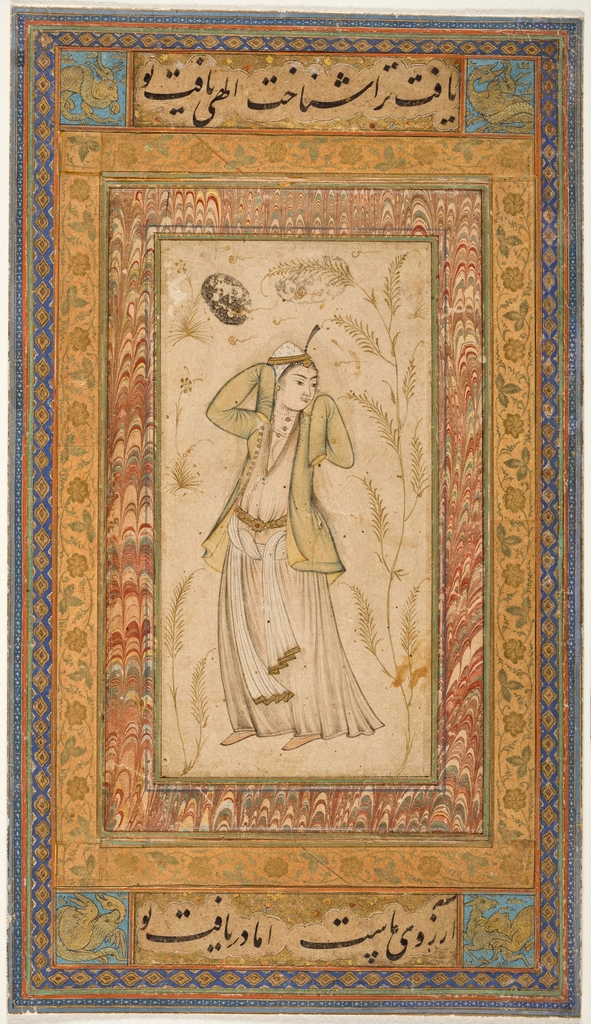
Below are selected resources that examine women’s voices, performance traditions, visibility, and leadership within Sufi communities.
Sufi music and ritual are often framed as male spaces (male qawwals, male dervishes, male sheikhs), but women have always been present as performers, poets, ritual leaders, and audience members. This section pulls together books, articles, and theses that focus on women’s voices in Sufi traditions, especially in South Asia and Turkey, plus some work on iconic performers like Abida Parveen. If you’re interested in gender, power, voice, and who gets heard in “spiritual” spaces, this is the section for you!
1. Abbas, Shemeem Burney. The Female Voice in Sufi Ritual: Devotional Practices of Pakistan and India. University of Texas Press, 2003.
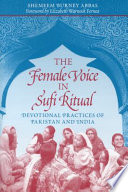
This book is basically the classic study on women’s voices in Sufi practice in Pakistan and India. Abbas looks at how women sing devotional poetry, lead or participate in rituals around shrines, and how their voices are policed or celebrated in different communities. The publisher even calls it the “first in-depth study” of the female voice in Sufi ritual, which is why you’ll see it cited in a ton of later work.
2. Beg, Zainub. Fizzy Drinks and Sufi Music: Abida Parveen in Coke Studio Pakistan. MA thesis, Saint Mary’s University, 2020.
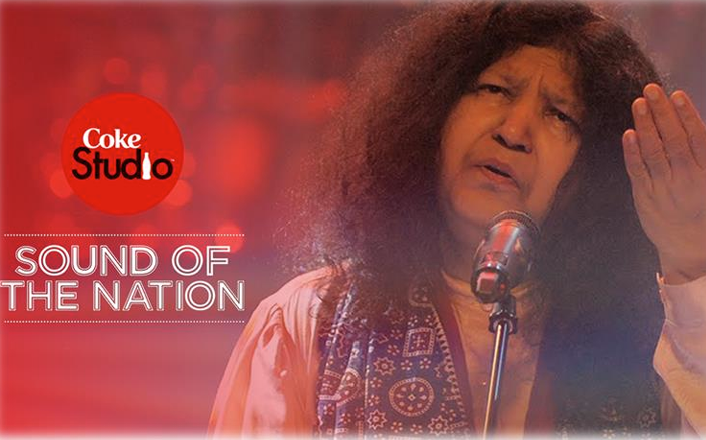
Beg’s thesis looks at how Abida Parveen, a major Sufi singer, is showcased in Coke Studio Pakistan, discussing issues of gender, commercialization, and branding. It is a fully open-access PDF. This is a perfect source for connecting the traditional idea of a Sufi singer within the modern era and the digital platform YouTube, from a woman’s perspective.
3. Milani, Milad, editor. Female Mystics and the Divine Feminine in the Global Sufi Experience. MDPI, 2022.
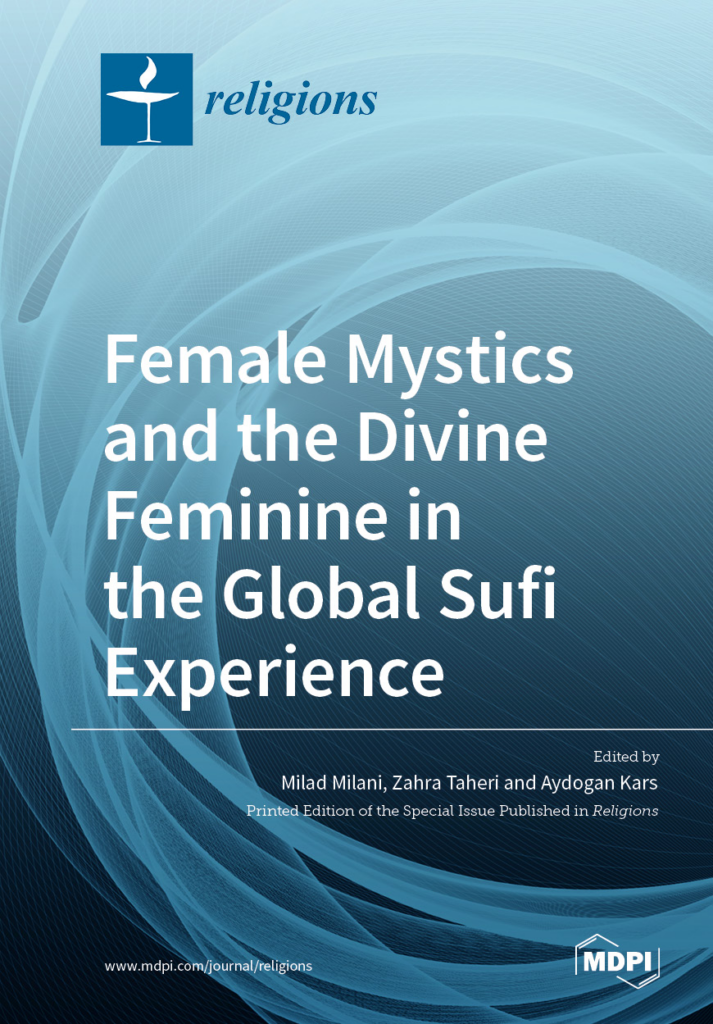
This edited text looks more at theology and mysticism than performance, but it helps frame how Sufi traditions think about women, feminine imagery, and spiritual authority. A few chapters touch on ritual and recitation, overlapping with musical practices. The whole book is open access, so you can dive in without hitting paywalls.
4. Catharina Raudvere – The Book and the Roses: Sufi Women, Visibility and Zikir in Contemporary Istanbul. Swedish Research Institute in Istanbul, 2002.
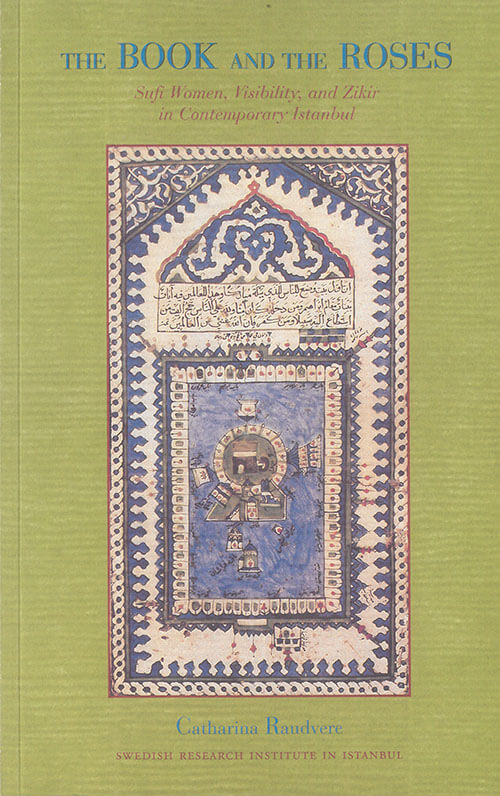
Raudvere zooms in on women in Istanbul who participate in zikr (dhikr) and other Sufi practices, (paying attention to everyday stuff like where they gather, what they wear, how visible or hidden they are, and what their rituals actually look like). The Swedish Research Institute in Istanbul makes the PDF freely available. It adds a detailed Turkish case study and provides good language for talking about visibility, gender, and sacred space.
5.“Awaken: Sufi Music & Women of South Asia.” Royal College of Music Museum exhibition, 2024.
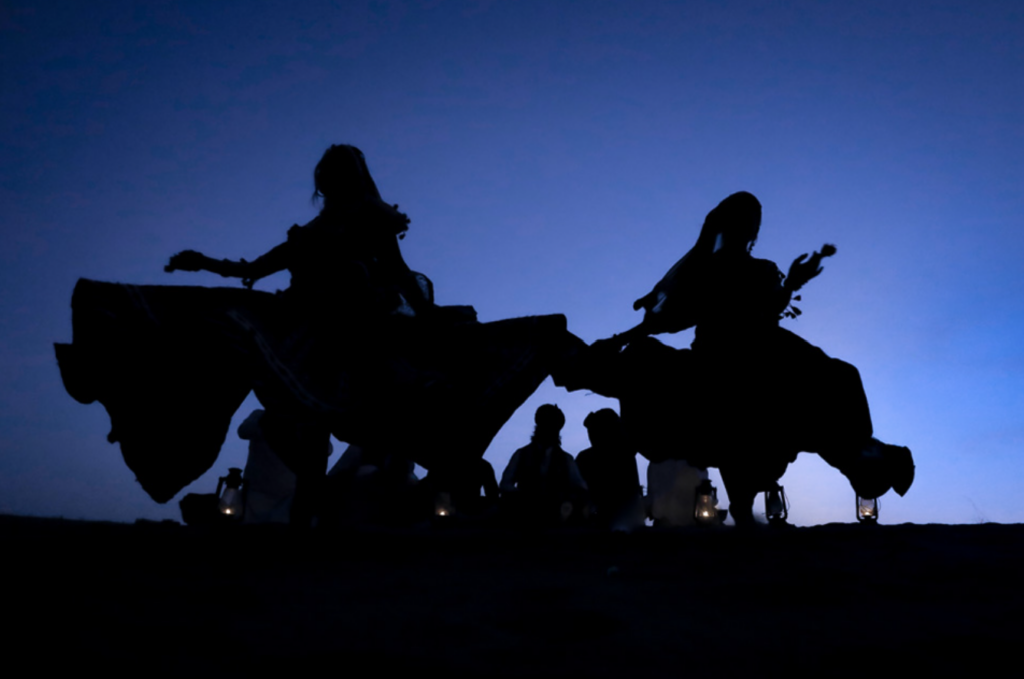
Image: Desert Melodies, 2019, by Roshani Shah. From Awaken: Sufi Music and Women of South Asia, Royal College of Music Museum.
This exhibition focused on women’s roles in Sufi music and poetry in South Asia, including archival recordings, photos, and instruments. The online exhibition page and press materials highlight how women have often been overlooked despite their huge influence. Museums are starting to highlight women in Sufi music history.